Enjoy Apples All Year: Freeze Your Harvest for Baking & Beyond
There’s an undeniable charm to the autumn apple harvest. Crisp air, colorful leaves, and the joyous bounty of plump, sweet, and tart apples fresh from the orchard. Whether you’ve spent a delightful afternoon apple picking or simply stocked up on a seasonal sale, you often find yourself with more apples than you can possibly eat before they start to soften or spoil. Don't let that precious produce go to waste! The solution is simple, effective, and incredibly rewarding: learning **how to freeze apples**. Freezing apples is a fantastic way to capture the essence of fall and enjoy your favorite varieties like Honeycrisps, Galas, or Fujis, all year long. Imagine whipping up a homemade apple pie in the dead of winter or blending a refreshing apple smoothie on a hot summer day, all thanks to your foresight and a little freezer space. This guide will walk you through the best methods to preserve your apple harvest, ensuring delicious results for all your culinary adventures. For even more detailed instructions, you can also check out How to Freeze Apples: A Guide for Pies, Smoothies & More.Why Freeze Apples? The Benefits of Preserving Your Harvest
Freezing isn't just a last resort for apples on the verge of going bad; it's a proactive strategy for smart meal prep and enjoying seasonal flavors whenever you crave them. Here’s why you should consider freezing your apples:- Extend Shelf Life Dramatically: While fresh apples might last a few weeks in cool storage, frozen apples can maintain their quality for up to six months, sometimes even longer!
- Prevent Food Waste: Don't let those extra bushels or forgotten bags of apples end up in the compost bin. Freezing ensures every apple gets a chance to shine in a future dish.
- Ultimate Convenience: Picture this: your apples are already peeled, cored, and sliced, ready to be tossed into a pie, crisp, or blender. Freezing pre-prepped apples saves significant time on busy baking days.
- Enjoy Seasonal Flavors Year-Round: Relive the taste of autumn any time of the year. Whether it's for holiday baking or a weeknight treat, the fresh flavor of your frozen apples will transport you.
- Cost Savings: Buying apples in bulk when they are in season and at their peak (and often lowest price) allows you to save money compared to purchasing them off-season.
Essential Prep Before You Freeze Any Apple
Regardless of which freezing method you choose, a few crucial preliminary steps apply to all apples to ensure the best quality and safety of your frozen fruit.Thorough Washing is Non-Negotiable
Before you do anything else, you must wash your apples thoroughly. This isn't just about removing visible dirt; it's about eliminating microbes and pesticide residues from the skin. Freezing itself does not destroy these contaminants, so a good wash under cool running water is paramount. You can even use a fruit and vegetable brush for a more thorough scrub.
Dry Completely
After washing, it’s vital to dry your apples completely. Excess moisture on the surface can lead to ice crystals forming, which contributes to freezer burn and can degrade the quality of your fruit. Use a clean kitchen towel or paper towels to pat them dry before proceeding.
Choose Your Apples Wisely
For the best results, start with firm, blemish-free apples. While freezing can salvage slightly older apples, beginning with high-quality fruit ensures superior flavor and texture once thawed and cooked. Almost any apple variety can be frozen, but those with a good balance of sweetness and tartness, like Honeycrisp, Gala, Fuji, Granny Smith, or Braeburn, tend to hold up well in baking.
Gather Your Tools
Have your cutting board, a sharp knife, a peeler, an apple corer (optional but handy), baking sheets, freezer-safe bags or containers, and lemon juice ready before you start.
Mastering the Methods: How to Freeze Apples for Every Need
The way you freeze your apples depends on how you plan to use them later. There are a few distinct methods, each tailored for different culinary applications. For a complete overview of the top methods, refer to Freeze Apples Easily: Top Methods for Slices & Pie Filling.Method 1: Freezing Apple Slices (The Gold Standard)
This is arguably the most versatile and highly recommended method for freezing apples. Slices are perfect for almost any baking project, from pies and crisps to muffins and sauces.
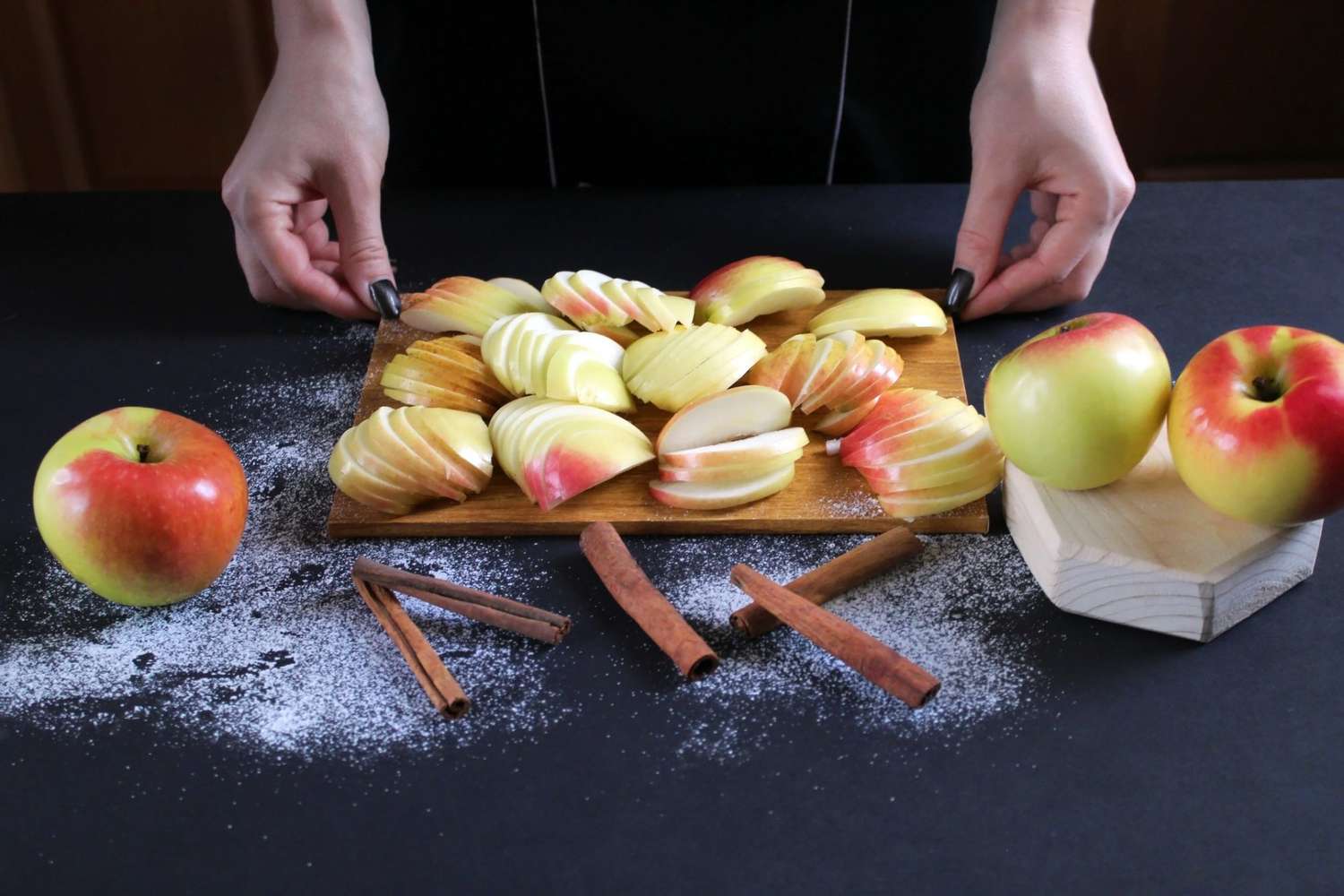
- Wash, Peel, Core, and Slice: After thoroughly washing and drying your apples, peel them using a peeler. Then, core them and slice them into your desired size. For most baking, wedges or thicker slices (about 1/2 to 3/4 inch thick) are ideal as smaller cuts can become too mushy after thawing.
- Prevent Browning (Anti-Oxidization Bath): Apples, once cut, quickly turn brown due to oxidization. To prevent this, prepare a bowl of cold water with a little lemon juice stirred in. A good ratio is about 1 tablespoon of lemon juice per gallon of water. Quickly dip your apple slices into this solution for 1-2 minutes. The citric acid helps to preserve their color. Other options include a commercial fruit protector or a mild salt water solution (rinse well after).
- Flash Freeze (Single Layer Freezing): This step is critical to prevent your apple slices from clumping together in a giant frozen block. Arrange the treated apple slices in a single layer on a baking sheet lined with parchment paper or a silicone mat. Make sure the slices aren’t touching each other. Place the baking sheet in the freezer for 2-4 hours, or until the slices are completely frozen solid.
- Transfer and Store: Once flash-frozen, transfer the solid apple slices into freezer-safe bags or airtight containers. Squeeze out as much air as possible from the bags (a straw can help for Ziploc bags, or use a vacuum sealer for best results). Label the bags with the date and the measured quantity (e.g., "4 cups apple slices, 10/25/23").
Storage: Frozen apple slices can be stored for 6-9 months, though quality is best within 6 months.
Method 2: Freezing Pre-Made Apple Pie Filling
For the ultimate convenience, especially if you foresee a future craving for a quick apple pie, freezing the filling beforehand is a game-changer.
- Prepare Your Filling: Peel, core, and slice your apples according to your favorite apple pie recipe. Mix them with sugar, spices (like cinnamon, nutmeg, and allspice), and any thickening agents (like flour or cornstarch) as your recipe dictates.
- Freeze in a Pie Pan: Line a pie pan with heavy-duty aluminum foil, leaving enough overhang to easily lift the frozen filling later. Pour your prepared apple pie filling into the foil-lined pan.
- Freeze Solid: Place the entire pan with the filling into the freezer until it is completely frozen solid.
- Remove and Store: Once frozen, use the foil overhang to lift the solid block of pie filling out of the pan. Transfer this frozen block into a freezer-safe bag or container, removing as much air as possible. Label with the date and the type of pie filling.
Usage: When you're ready to bake, simply unwrap the frozen filling, drop it into a prepared pie crust (either homemade or store-bought), and bake as usual. You may need to add about 10-20 minutes to the baking time since the filling is frozen, but it will be no more effort than baking a store-bought frozen pie.
Method 3: Freezing Whole Apples (A Niche Approach)
While technically possible, freezing whole apples is generally not recommended for most culinary applications. As noted earlier, thawing a whole apple results in a very mushy texture, and attempting to peel, core, or slice a frozen apple can be a challenge. The texture change is more pronounced with whole apples than with pre-sliced ones.
However, if you're in a pinch and just need to get apples into the freezer quickly for something like applesauce where texture isn't critical (as they'll be cooked down anyway), here's how:
- Wash and Dry: Thoroughly wash and dry your whole apples. Do not peel or core them.
- Flash Freeze: Place the whole, unpeeled apples on a baking sheet, ensuring they don't touch each other. Freeze until solid. This prevents them from sticking together in the freezer bag.
- Transfer to Freezer Bags: Once frozen, transfer the whole apples into heavy-duty freezer bags. Remove as much air as possible and label with the date.
Usage: To use, you would typically need to partially thaw them, then peel, core, and slice them while still slightly frozen for easier handling, or simply cook them down directly for sauces, discarding the core and skin later.
Thawing and Using Your Frozen Apples
Understanding how to use your frozen apples effectively is just as important as freezing them correctly.Thawing Guidelines:
- For Baking (Pies, Crisps, Muffins): For many baked goods, you can use frozen apple slices directly from the freezer. There's often no need to thaw them first. Just add them to your recipe as you would fresh apples. Be aware that frozen apples release more moisture, so you might need to increase the amount of thickening agent (flour, cornstarch) slightly in your recipe to prevent a watery result.
- For Sauces, Smoothies, or Compotes: For these applications, you can often add frozen apple slices directly. If a recipe calls for specific measurements of thawed fruit, you can thaw them in the refrigerator overnight or on the countertop for an hour or two. Drain any excess liquid that accumulates during thawing if the recipe is sensitive to moisture.
Cooking Tips for Frozen Apples:
- Adjust Thickener: As mentioned, frozen apples release more water than fresh ones. If making a pie or crumble, add an extra tablespoon or two of flour or cornstarch to your filling mixture to absorb this moisture.
- Slightly Longer Baking Time: Dishes made with frozen apples might require a slightly longer baking time due to the colder temperature of the fruit. Keep an eye on your dish and check for doneness.
- Versatility is Key: Don’t limit yourself to just pie! Frozen apples are fantastic in:
- Apple Crumble or Crisp: A quick and easy dessert.
- Apple Muffins and Quick Breads: Add a burst of fruity flavor.
- Applesauce or Apple Butter: Perfect for preserving.
- Smoothies: A healthy and refreshing addition.
- Oatmeal or Yogurt Topping: Cook down a few slices for a warm topping.
- Savory Dishes: Pair them with pork roasts or poultry for a delightful sweet and savory contrast.
Conclusion
Learning **how to freeze apples** is an invaluable skill for any home cook or baker, transforming a seasonal abundance into a year-round delight. With a little preparation, you can enjoy the fresh taste and nutritional benefits of your favorite apples long after the harvest season has passed. By following these simple methods—especially the preferred method of freezing apple slices—you’ll be well-equipped to prevent food waste, save time in the kitchen, and infuse your meals with delicious apple goodness any day of the year. So go ahead, stock up on those beautiful fall apples, and fill your freezer with future culinary possibilities!
